“How to Teach Colors in English Through Play (Kids)” 🎨👶
✍️ Blog Description (Full)
This blog post explores creative, play-based strategies for teaching colors in English to children. Whether you're a parent, teacher, or educational content creator, you'll discover hands-on activities, language tips, and classroom-tested methods that make color learning fun and effective. Perfect for early learners, bilingual classrooms, or ESL environments.
📚 Section Breakdown
🎨 1. Why Colors Matter in Early Language Learning
- Colors are among the first vocabulary kids absorb—visually and emotionally
- Teaching colors builds descriptive language, memory, and confidence
- Helps bridge bilingual gaps and supports visual learners
“Red like an apple, blue like the sky—colors make words come alive!”
🧩 2. Play-Based Activities That Work
- Color Hunt: Kids find objects around the room by color
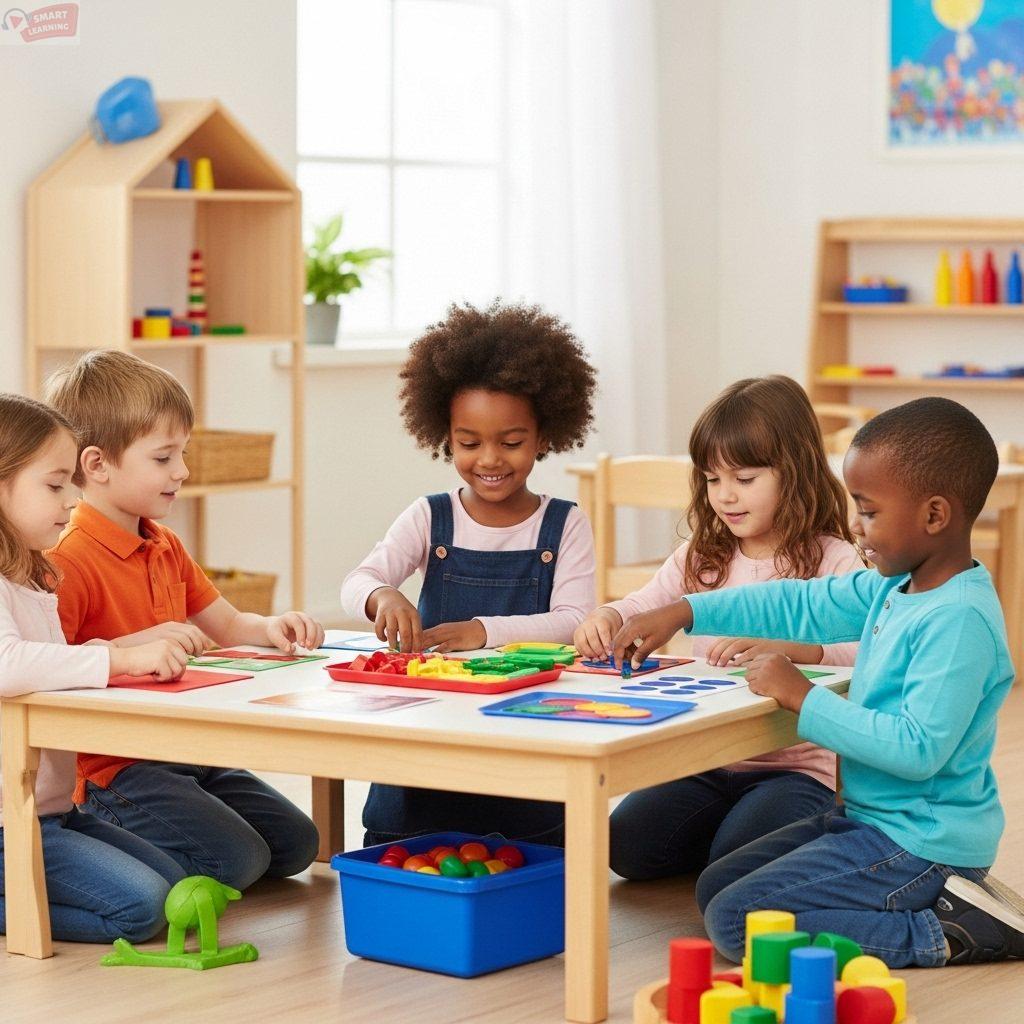
- Sorting Games: Use blocks, buttons, or flashcards to group by color
- Art Time: Paint, draw, or mix colors while naming them in English
- Songs & Movement: Dance to color-themed songs like “I See Something Blue” 🎵
Tip: Always pair color words with actions or visuals to boost retention.
🗣️ 3. Language Tips for Bilingual Classrooms
- Use both native language and English side-by-side for reinforcement
- Repeat color names in full sentences: “This is a yellow banana.”
- Encourage kids to describe their drawings or toys using color words
- Celebrate mistakes—they’re part of the learning journey!
“เด็กๆจะจำสีได้ดีขึ้นเมื่อได้เล่นและพูดพร้อมกัน!” (Kids remember colors better when they play and speak together!)
✅ Call to Action
Ready to turn your classroom into a rainbow of learning? 🌈
Download our free color flashcards, or explore our full course on playful English for kids!

 0 comment
 27 Sep, 2025


Never Learning
0 comment